Meet Madge Clifford
This Thusday evening 15 Jan. at Kells Restaurant in Downtown Portland the Portland Hibernian Society will convene to consider the ways and means of learning more about the lives our ancestors lived in Ireland before they left. If they hadn’t left, we wouldn’t be here. Please consider coming to the meeting to share your own Adventures in Irish Genealogy
A funny thing happened on the way to the family tree
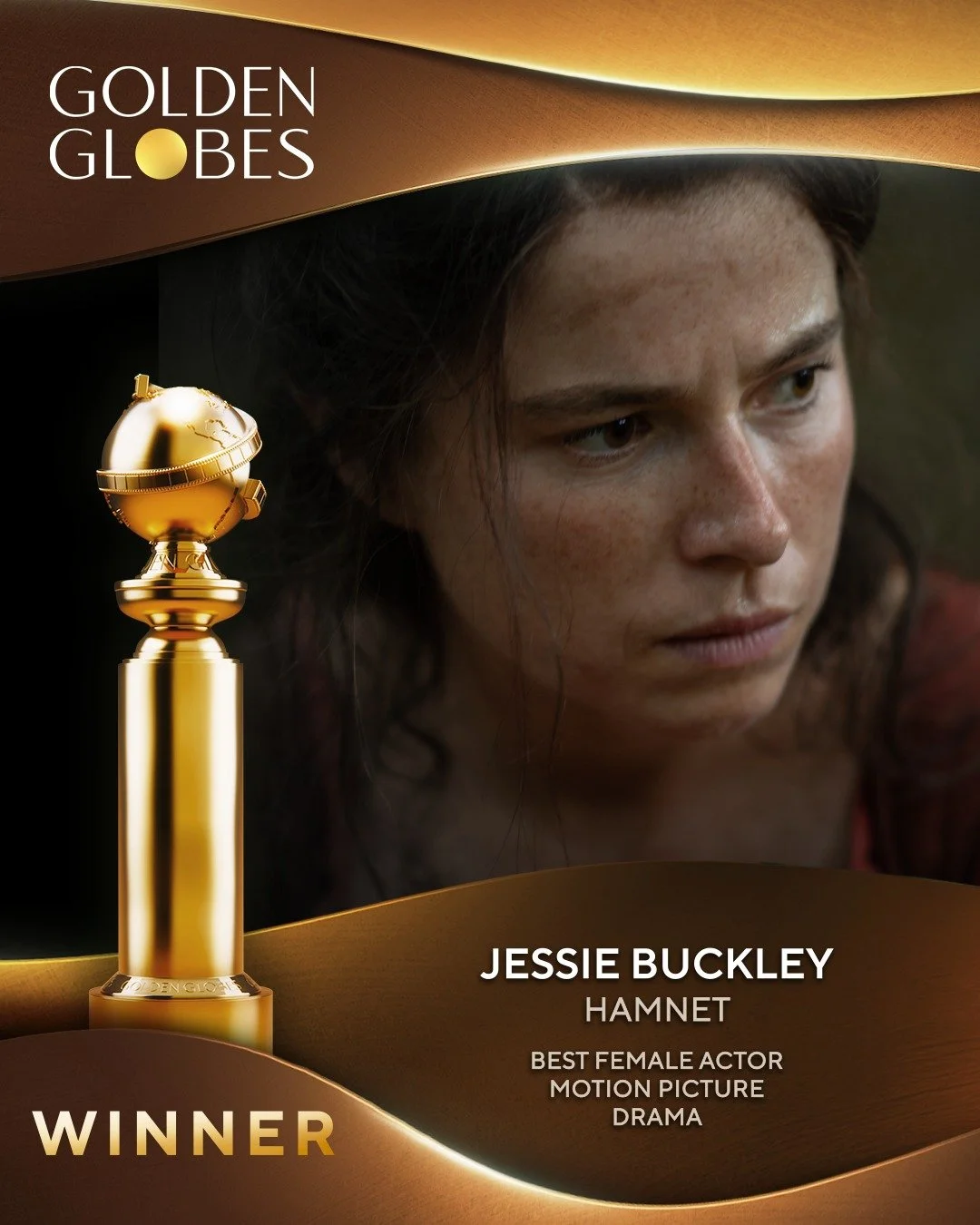
Some ancestral searches will be easier than others. So, to take a few practice swings at tracking down the family secrets, I decided to dig a little deeper into the past of Madge Comer (nee Clifford). Why her? Here’s why: When Jessie Buckley won the Golden Globe Best Actor award the other night, I looked her up in Wikipedia and found this, She is the great-granddaughter of Irish Republican Madge Clifford.
Not many of us will be able to find the records of our Irish ancestors on Wikipedia, granted. But I’m just warming up for a real search, and there’s nothing wrong with going after the low-hanging fruit. Right? Never having heard the name Madge Clifford among the women who fought for Irish independence, Wikipedia is where I started with a key assist from AI.
It turns out that not only does Jessie Buckley’s mother’s grandmother have a great Irish story, Madge Clifford also has a close connection in County Kerry in 1916 with a close relative of the three men who are my sons. Clarification to come.
As for Madge Clifford, her great granddaughter Jessie hasn’t said anything on the record about her, but one of her cousins is a leading expert on the War of Independence and Civil War in Co. Kerry. Madge's grandson Dr. Tim Horgan is the Kerry Co. representative for the National Graves Association in Ireland. Because of him, that Wikipedia page devoted to her life and times exists.
The makings of a limited series
Madge Clifford’s story has potential. Maybe her great granddaughter can convince someone to put it on the screen. Like hundreds of young Irish women, she joined Cumman na mBan (Female branch of the IRA) after conflict came to Ireland in the form of a massive strike in 1913. She was 18 years old. During the 1916 Rising she served alongside the leader of the effort in County Kerry. After the Rising she was a courier, delivering messages to and from Michael Collins in Mountjoy Jail. According to her own testimony, she was a gun runner and helped identify some of the British agents assassinated by Collins’s gunmen on Bloody Sunday. When a truce was called and a Treaty considered, she split with Collins dramatically. She took up arms against the Free State Government. She was Anti-Treaty and would remain so until her death in 1982. (There are enough close calls, chases, betrayals,violence and suspense for at least eight episodes.)
Dr. Jack Comer was also Anti-Treaty. He was captured during the Civil War by the Free Staters and didn’t get out of prison until late 1924. Within a year he met and married Madge Clifford. Together they raised eight children. Six girls. Two boys. Six of their children became doctors. One of them was Dr. Norrie Comer, Jessie Buckley is one of her 13 grandchildren.
If you’re interested, here’s the link to Madge Clifford’s Military Pension Application in which she tells her story by answering a bureaucrat's questions.
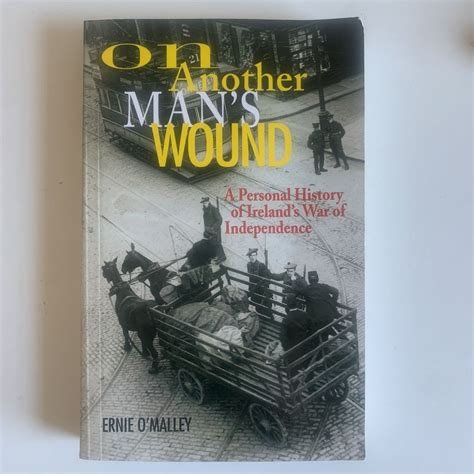
This is one of the best books written about the IRA of old. The author, Ernie O.Malley. worked closely with Madge Clifford. He supported her effort to get a military pension.
It's a small world in Ireland
Madge Clifford’s fearly experience as a Republican soldier was in Tralee, Co Kerry. Her job as a typist was her cover. The IRA officer she reported to was Austin Stack. He took Clifford to Dublin with him when he became a leader of the first Irish Government Pre-Independence. Stack told her she should stop marching with the Cumman na Ban lest she arouse suspicion. “I was Austin’s private secretary, he was only too glad I would go off and do important work,” she later recalled. That “important work” was laying in guns, renting safe houses and basically building groundwork for the War of Independence.
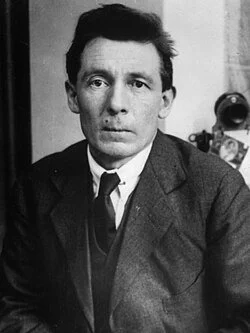
Austin Stack led the IRA in County Kerry until he joined the Cabinet of the first Irish Government in Dublin.
This is where the connection to my sons comes in. On their mother’s side, Austin Stack was their great grandfather’s brother. Finding that connection was easy. The tougher task will be discovering the stories of relatives who weren’t “famous” for anyone other than family.