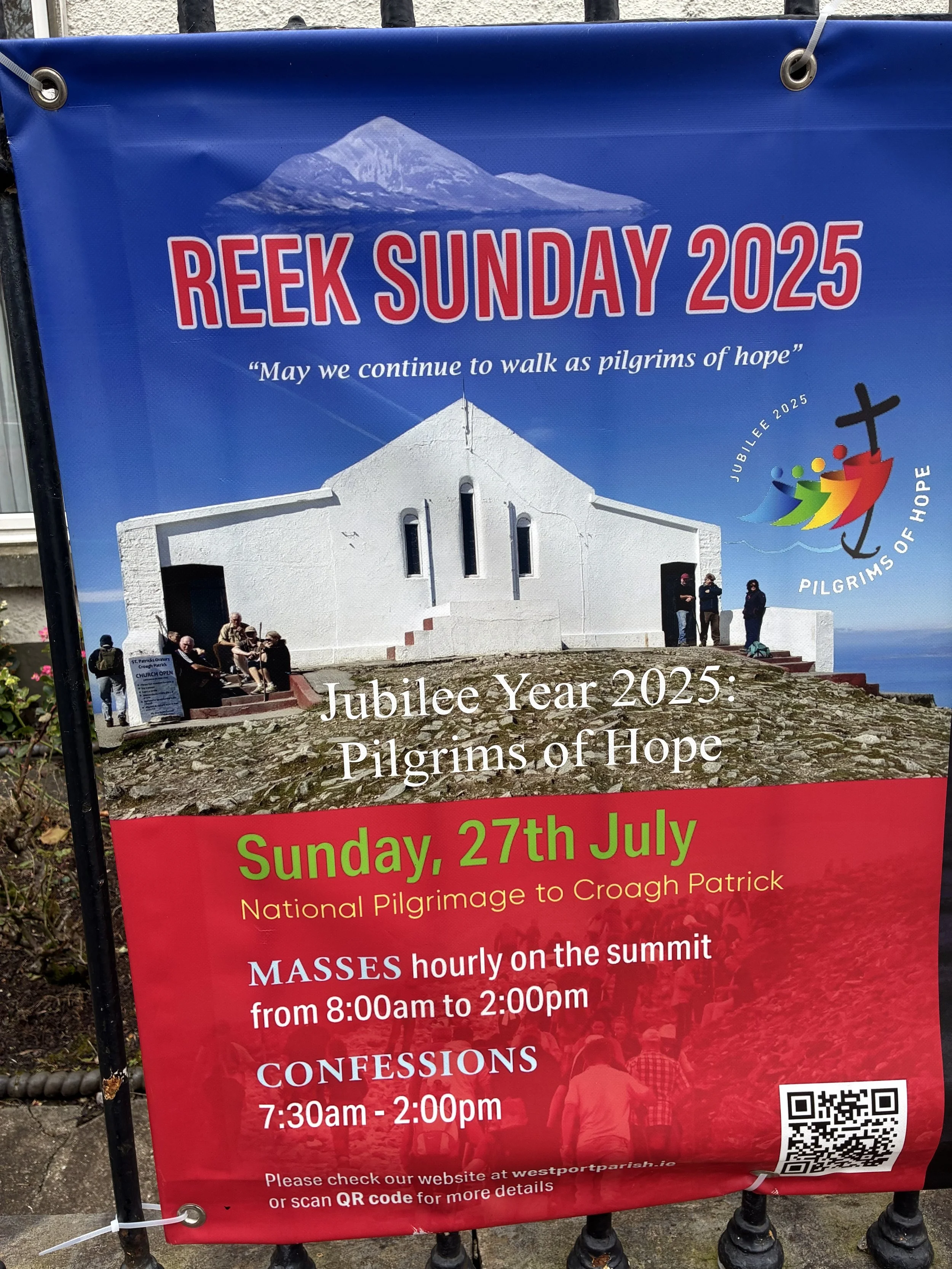
Croagh Patrick - The climb of a lifetime
Ancient tradition? Historic pilgrimage? Unique blend of physical challenge and spiritual introspection? Yes.
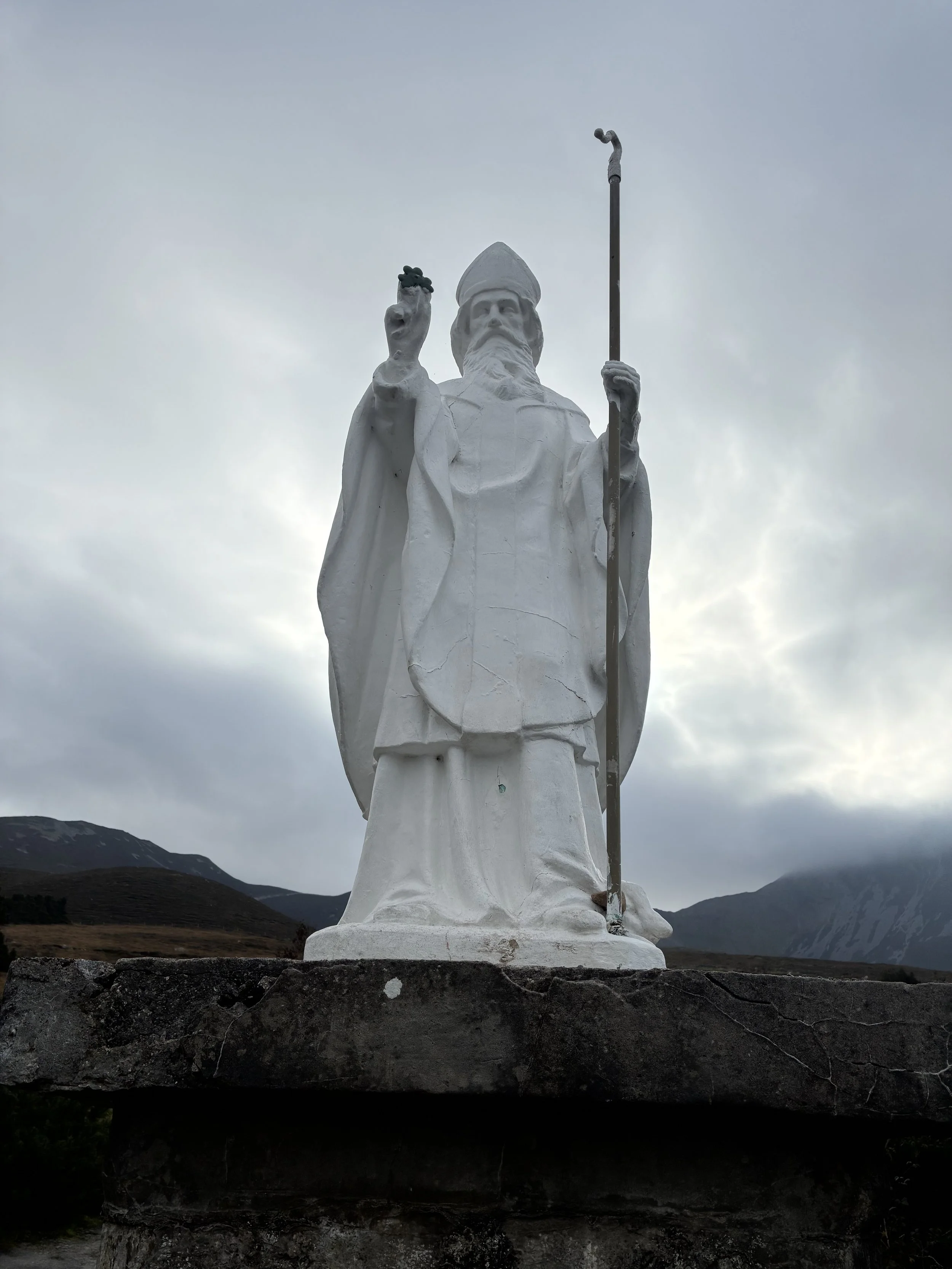
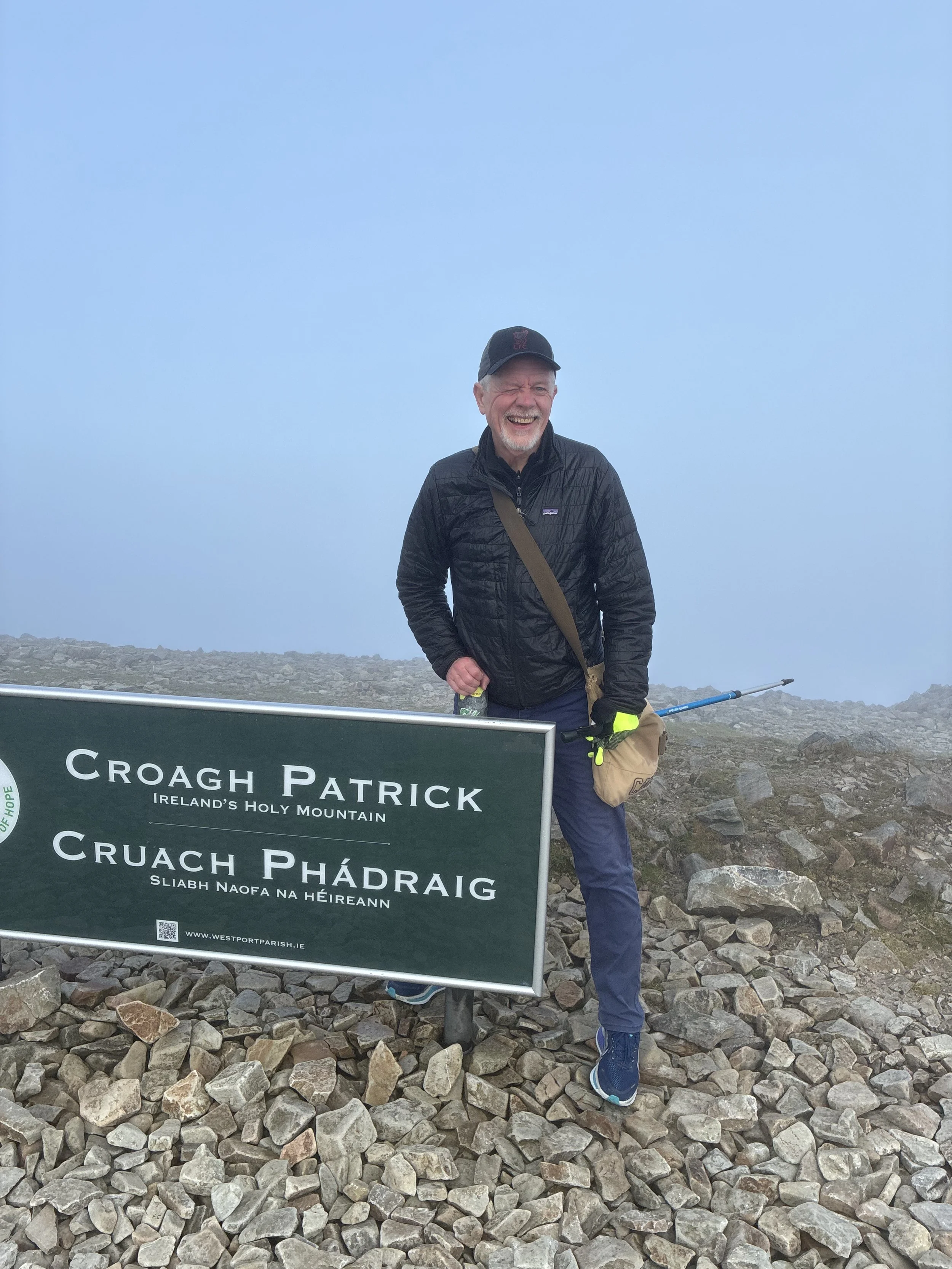
Cruach Phádraig (Croagh Patrick) is Ireland’s Holy Mountain. In the year 441 A.D., Saint Patrick fasted for 40 days and 40 nights on the summit. (Forget the myth about this being where St. Patrick expelled all the snakes from Ireland. There were no snakes in Ireland after the Ice Age.) It’s about a three-mile climb from his statue at the base to the peak, where a small chapel was constructed in 1905. Over hundreds of years millions of pilgrims have climbed Croagh Patick. Cautious climbers allow 2.5 hours to reach the summit. And at least as long for the descent. But what’s the hurry? John O’Dwyer, author of Great Irish Pilgrim Journeys, wrote, “When you are on a pilgrim path, it is a great leveller. It doesn’t matter who you are, whether you are Elon Musk or whether you are somebody who is unemployed. You get the same pressures — it is all about putting one foot in front of the other and getting to the destination.”
Croagh Patrick is a tough climb. Anyone who tells you otherwise either hasn’t done it or is fit as a fiddle. When I attempted to climb it on a Sunday morning in late October last year, the weather conditions were perfect. What stood out was how much easier the climb seemed for locals. They came in all shapes and sizes, from the very young – precocious toddlers – to the pretty old – active seniors. It seemed only foreigners and first timers heeded this advice: "Pilgrims are advised to bring suitable warm-waterproof clothing, good footwear, walking stick/staff and water, and to be mindful of the safety of themselves and others." You throw caution to the wind at your own risk. Pray you won’t need the services of Mayo County Mountain Rescue. (In 2017 on Reek Sunday, 17 climbers had to be rescued. A helicopter was dispatched from Sligo.)
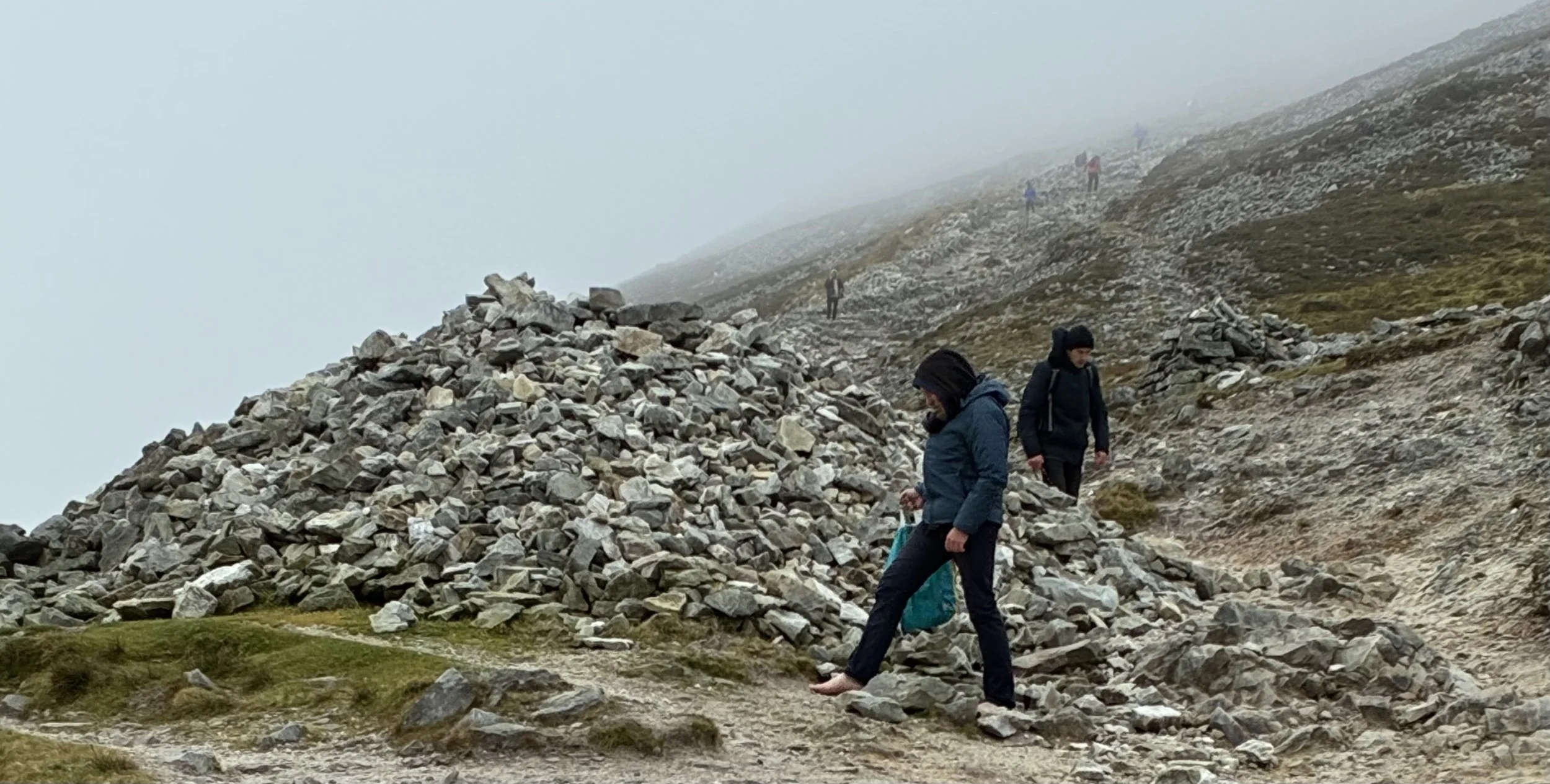
Holiness should involve physical effort. Good footwear? On that October Sunday I saw at least half a dozen pilgrim climbers doing so barefoot. One of them was running. I’d heard that was an option for the super penitent but didn’t really appreciate that feat of the feet untiI I climbed WITH SHOES ON. I took a picture of these two shoeless pilgrims renewing an ancient ritual by circling a burial cairn (Benan’s Grave) while reciting the Rosary. Mountain rescue crews warn the shoeless that sharp quartzite stones can be quite painful. I saw a barefoot climber (who didn’t look Irish) in agony in the parking lot nursing his bloody feet. “Suffering improves the view,” someone once said of Croagh Patrick. Well, if the weather’s good, the view is excellent even without that kind of suffering.
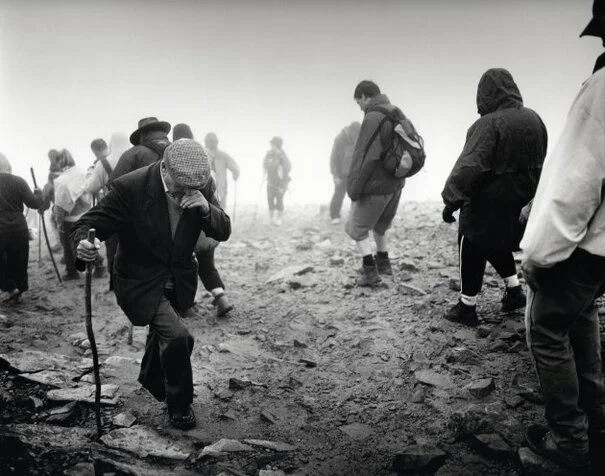
Croagh Patrick pilgrims in 2010. Note the walking sticks. Do not try climbing without at least one walking stick. (I used two.)
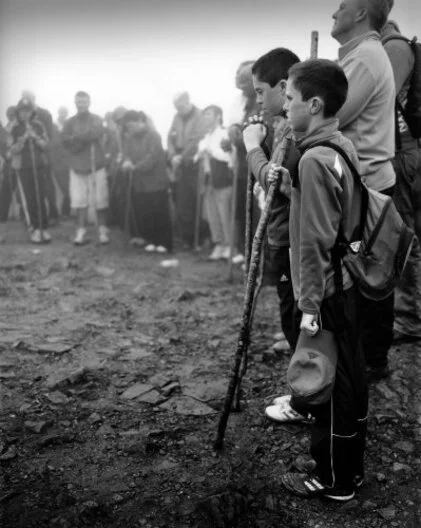
“What stood out was how much easier the climb seemed for locals. They came in all shapes and sizes, from the very young – precocious toddlers – to the pretty old – active seniors.” (Black and white photos by Sergey Sergeev from his exhibition The Pilgrimage.)
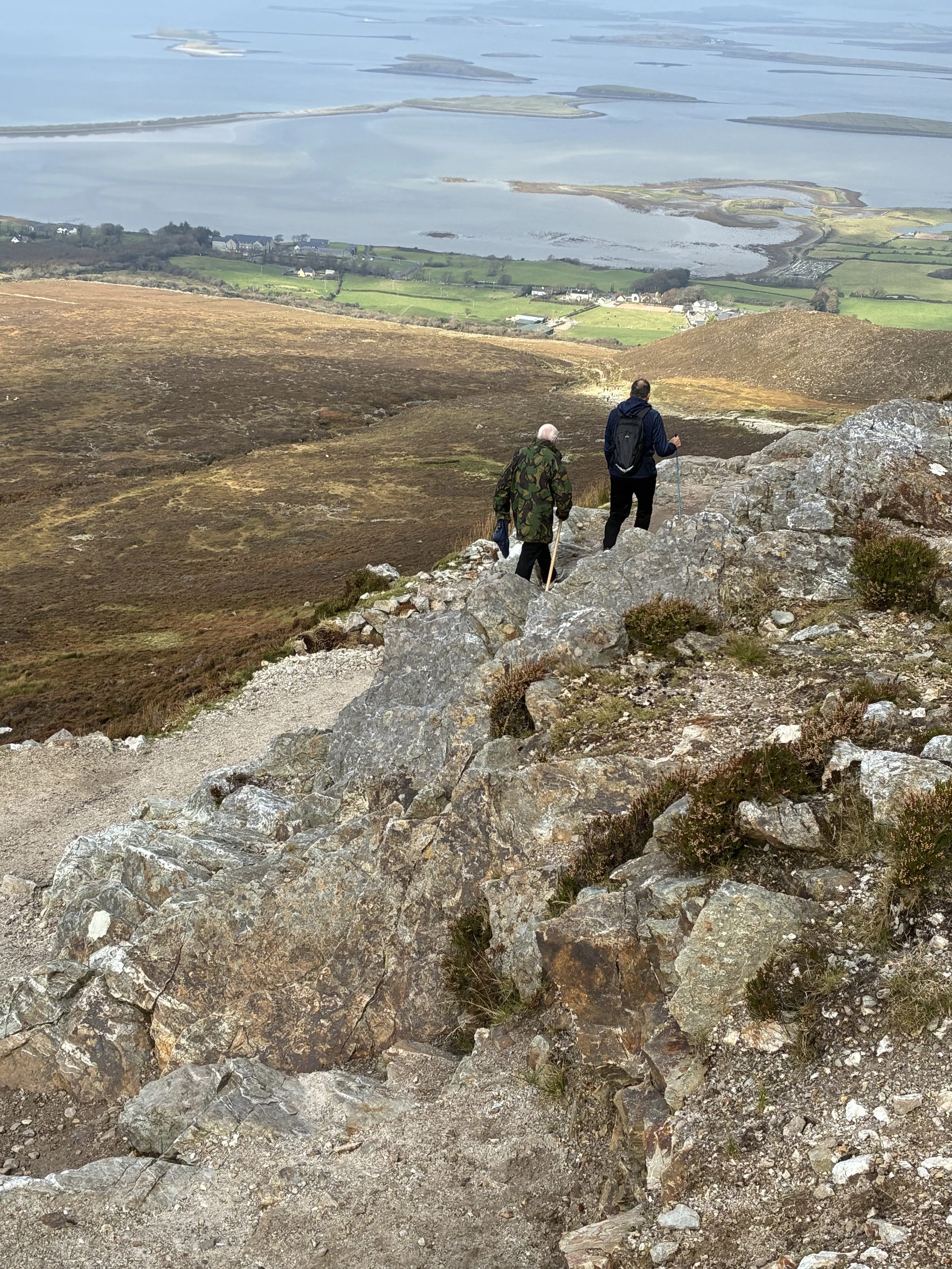
Otto and Colm on their way down the mountain. They carried on a lively conversation the entire time on their climb. Both are 70. I told them they were my heroes. Check out the view. “On a good day there's little to beat the outlook from the summit. The Atlantic stretches to the horizon. The bay below is scattered with islands - called drumlins - left over from the last Ice Age. There are said to be 365 of them, one for each day of the year.” BBC.
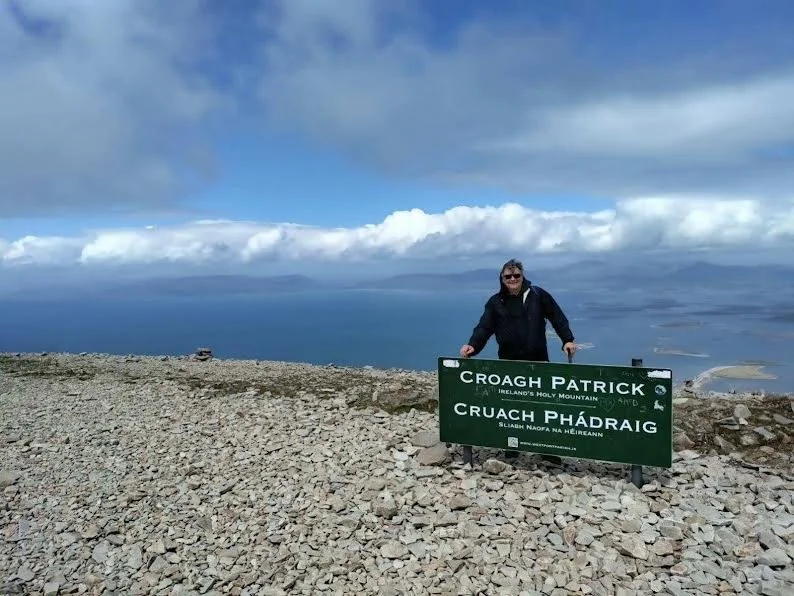
PORTLAND FIDDLER CONQUERS CROAGH PATRICK…was the headline in the PDX Hibernian Independent in August 2023. Kevin Burke, wo lives in NE Portland and Arghagower, Co. Mayo, summited Croagh Patrick with his wife Elfriede on July 2 and sent this dispatch: “Cool and windy were the conditions but strong and hearty was the mindset. One might presume that "Walk, don't run" would be the perfect motto for such an event but no, I was overtaken by several people running up and down the mountain. I saw one striking young lassie climbing barefoot (with painted toenails!). Also, a group of locals were celebrating a friend's 60th birthday with 4 climbs in the one day. On my way down I met one hardy gent who was on his 3rd ascent of the day. I took it slowly, about 4 and a half hours round trip, including a 20/30 min stop at the top for tea and sandwiches (lovingly prepared in the comfort of my nearby cottage before setting off for the climb). Going up was strenuous but coming down was sore on the joints. I was delighted to reach the top but perhaps even more so to reach the bottom. A tiring but satisfying day out. Up Mayo. Cheers.” Photo by Elfriede Burke. Who obviously also made it to the summit. Yay Elfriede.
Suffering improves the view. “(The) pain and endurance represent the roots of their religion - Christianity and the Cross and the "Suffering Irish".For 11 hundred years, men and women have climbed Croagh Patrick with a primitive and purging faith…. young and old climbing the mountain booted or bare foot in wet, cold and blustery conditions. According to folklore, St. Patrick climbed the mountain and fasted for 40 days and 40 nights. Another interpretation says that the pilgrimage emerged from a Christian adaptation of a pagan festival. For many, it is now a personal pilgrimage…” RTE ( Photo by a man from Australia whose name I didn't get.)